 (Image via
Designing a comfortable and harmonious home calls for thoughtful decisions, open communication, and a touch of imagination. When several people live together, every individual contributes their own preferences and priorities, shaping the atmosphere of the space. Discussing expectations and agreeing on shared objectives early on helps everyone feel included and respected. By working together from the beginning, household members can create an environment where daily routines run smoothly and everyone looks forward to enjoying time together. Establishing this sense of unity not only improves the mood at home but also strengthens the connections between those who share it.
Finding that sweet spot between personal style and collective comfort encourages stronger bonds and memorable moments. By focusing on practical adjustments and meaningful touches, you can turn any room into a sanctuary where everyone feels at ease and respected.
Identify Shared Space Needs
Begin by listing daily routines and preferences. Note who prefers quiet mornings, who works from home, and where everyone likes to unwind. This simple exercise shows hotspots for potential overlap, such as a reading nook and a workspace sharing the same corner.
Next, involve everyone in mapping out traffic flow. Use colored markers on a floor plan sketch to indicate high-traffic paths and quiet zones. That visual guide helps you decide where to place seating areas, desks, or a coffee station so people don’t bump into each other during busy times.
Create a Practical Layout
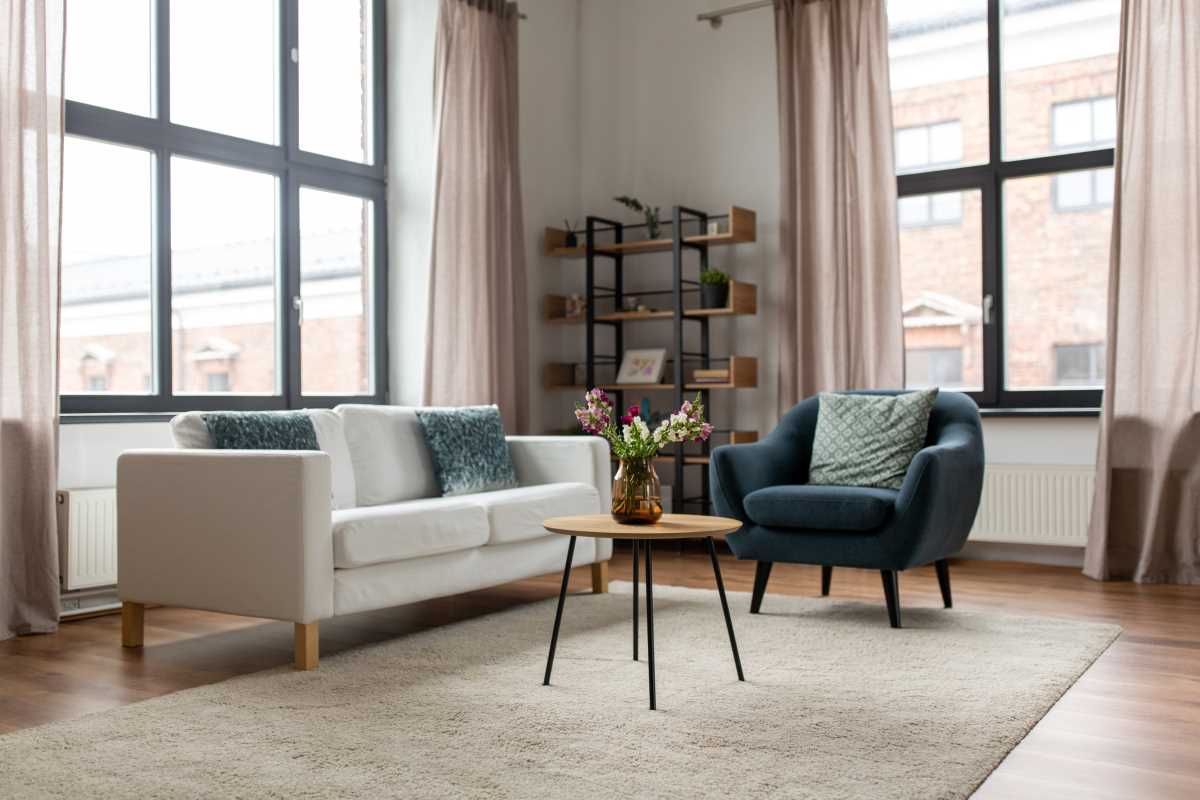
Push furniture against walls to free central space and foster open conversation. Arrange seating in semi-circles around a focal point—like a coffee table or a fireplace—to invite easy chats and relaxed movie nights. In a studio setting, use lightweight screens or tall bookshelves to separate sleeping and living areas without blocking light.
Warm lighting can anchor zones effectively. Choose adjustable floor lamps with dimmers in relaxation corners and brighter, focused lights near desks and kitchen counters. Placing a lamp beside a favorite armchair creates an instant reading spot while overhead fixtures keep culinary tasks well lit.
Arrange and Declutter
Keep surfaces clear to boost mental calm and encourage spontaneous get-togethers. A central console table near the entry absorbs keys, mail, and sunglasses, reducing misplaced items. Baskets in hallways or under benches hold scarves, gloves, and reusable bags, making departures smooth and organized.
- Use labeled bins on shelves for seasonal wear and hobby supplies.
- Mount floating shelves above desks to display books and small plants without eating floor space.
- Add adhesive hooks inside cabinet doors for aprons, jewelry, and dish towels.
- Group similar items in clear containers so everyone can locate snacks or craft materials instantly.
- Donate or recycle items you haven’t touched in six months to keep shared areas uncluttered.
Add Personal Comfort Items
Introduce textiles that reflect individual tastes while blending into the overall color palette. Soft throw blankets can match one person’s favorite hue, while decorative pillows echo another’s pattern choice. This mix-and-match approach feels cohesive and personal.
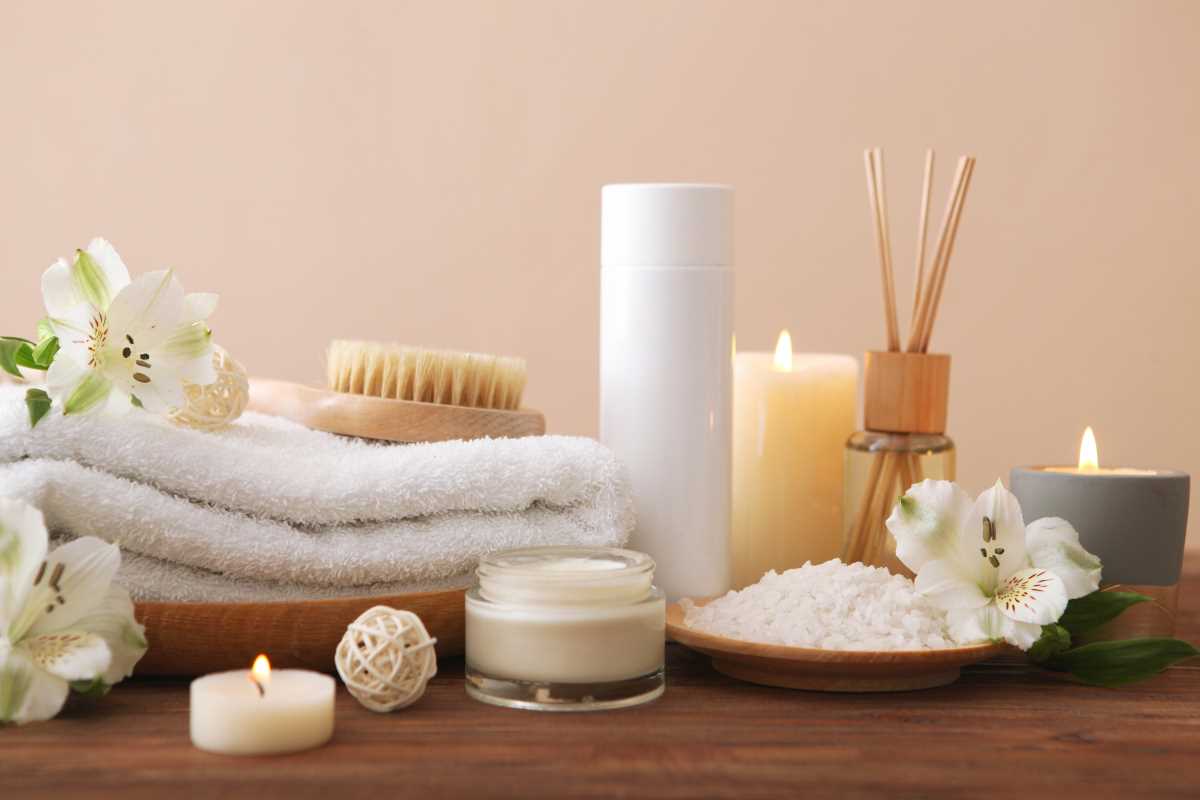
- Display a set of scented candles or diffuser jars chosen by different people to let each scent shine on rotation.
- Rotate artwork or framed photos on a gallery wall. Let each household member pick one piece every month to keep the display fresh.
- Arrange potted plants and succulents where they’ll receive enough light. One person might favor leafy greens, another small cacti, adding variety and life to the room.
- Invest in a high-quality area rug from IKEA under the seating area to anchor the room and add cozy texture.
- Place a bench with storage by the window for extra seating and hidden blanket stowage.
Maintain Daily Harmony
Hold quick check-ins during shared chores like dish duty or vacuuming. A short five-minute chat after dinner can clear up any schedule overlaps and highlight upcoming plans. This habit builds trust and ensures responsibilities feel fair.
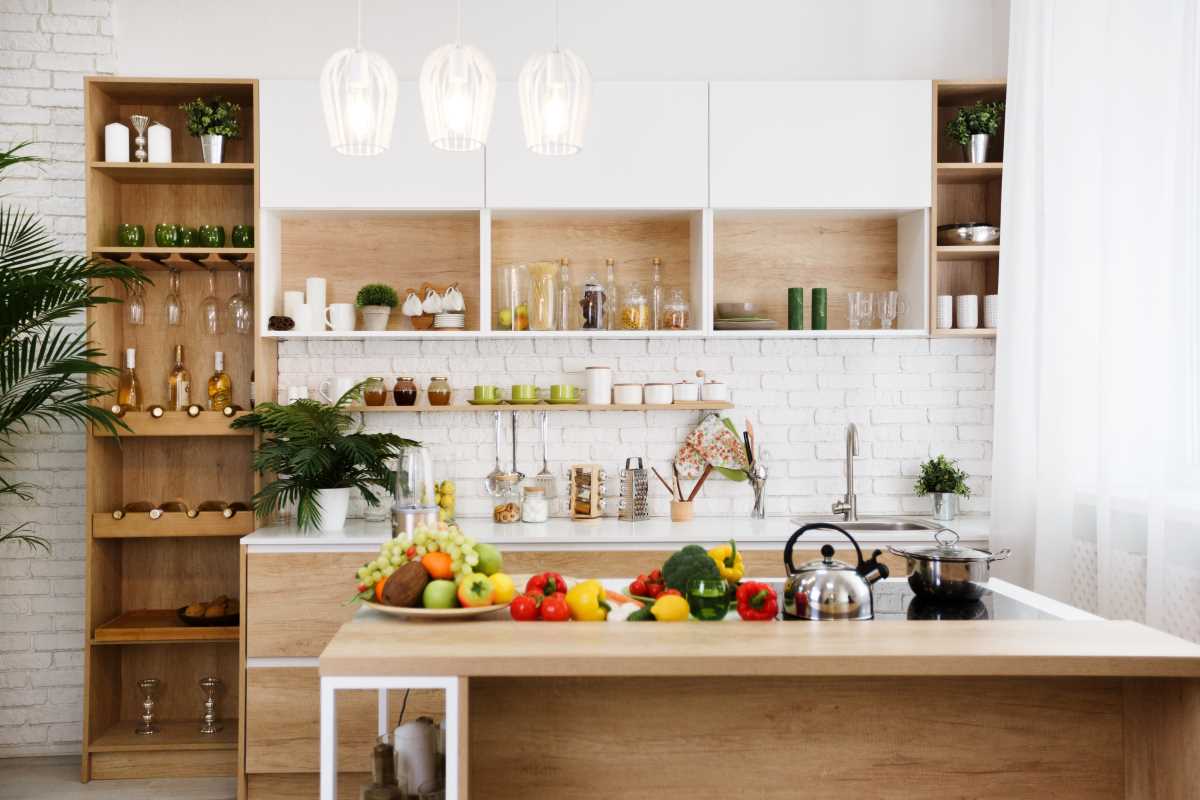
Set clear zones for eating, working, and relaxing. A designated breakfast bar encourages morning conversations over coffee, while a corner desk remains undisturbed for focused tasks. Respecting these zones makes it easier to shift between social time and solo work.
Handle Conflicts Constructively
If tensions rise over noise levels or shared expenses, organize a calm discussion in a neutral spot—like the sofa area—rather than sending messages. Face-to-face dialogue shows you value each other’s perspective. Use “I” statements: “I feel overwhelmed when dishes pile up,” instead of “You never wash dishes.”
Create a simple agreement list and display it on the fridge. Include points like quiet hours, shared-cleaning schedules, and guest protocols. This living document remains open to updates, so everyone stays involved and can suggest improvements.
Make small adjustments to layout, décor, and communication to improve your shared living space. Recognize each person's contributions and enjoy the unique environment you build together.