 (Image source: Gemini)
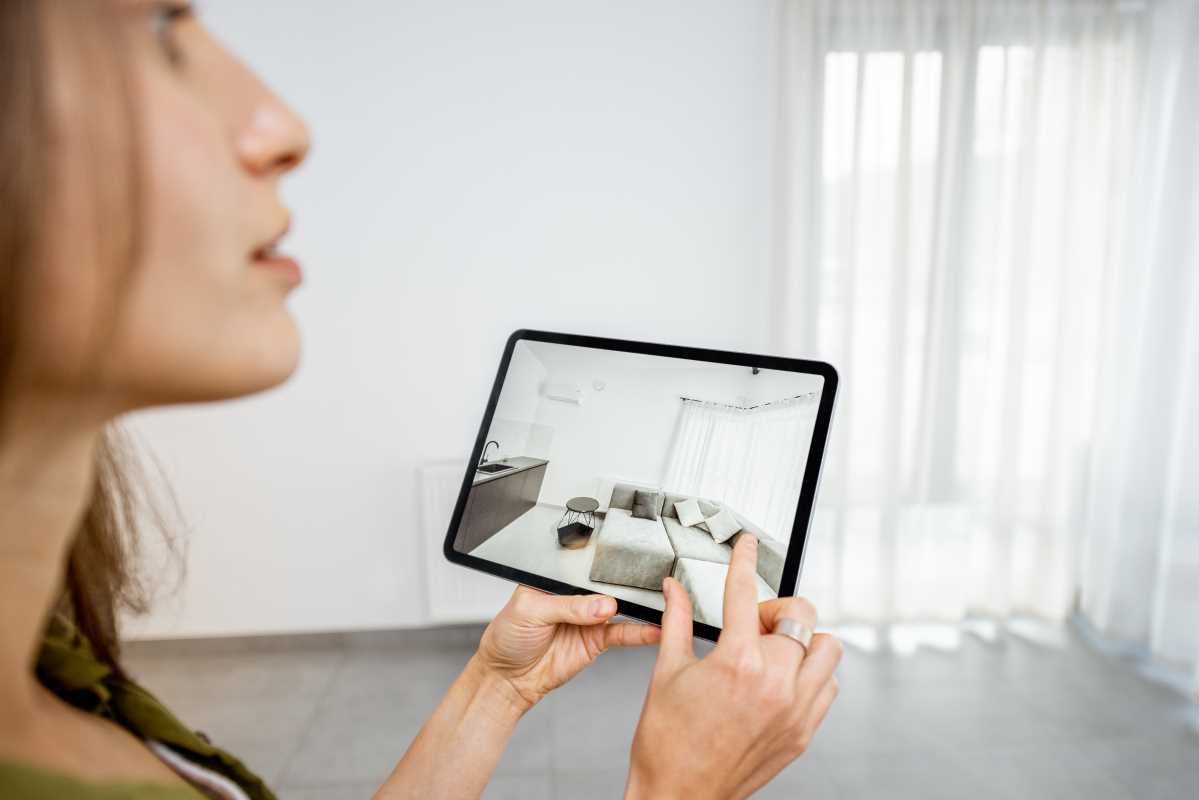
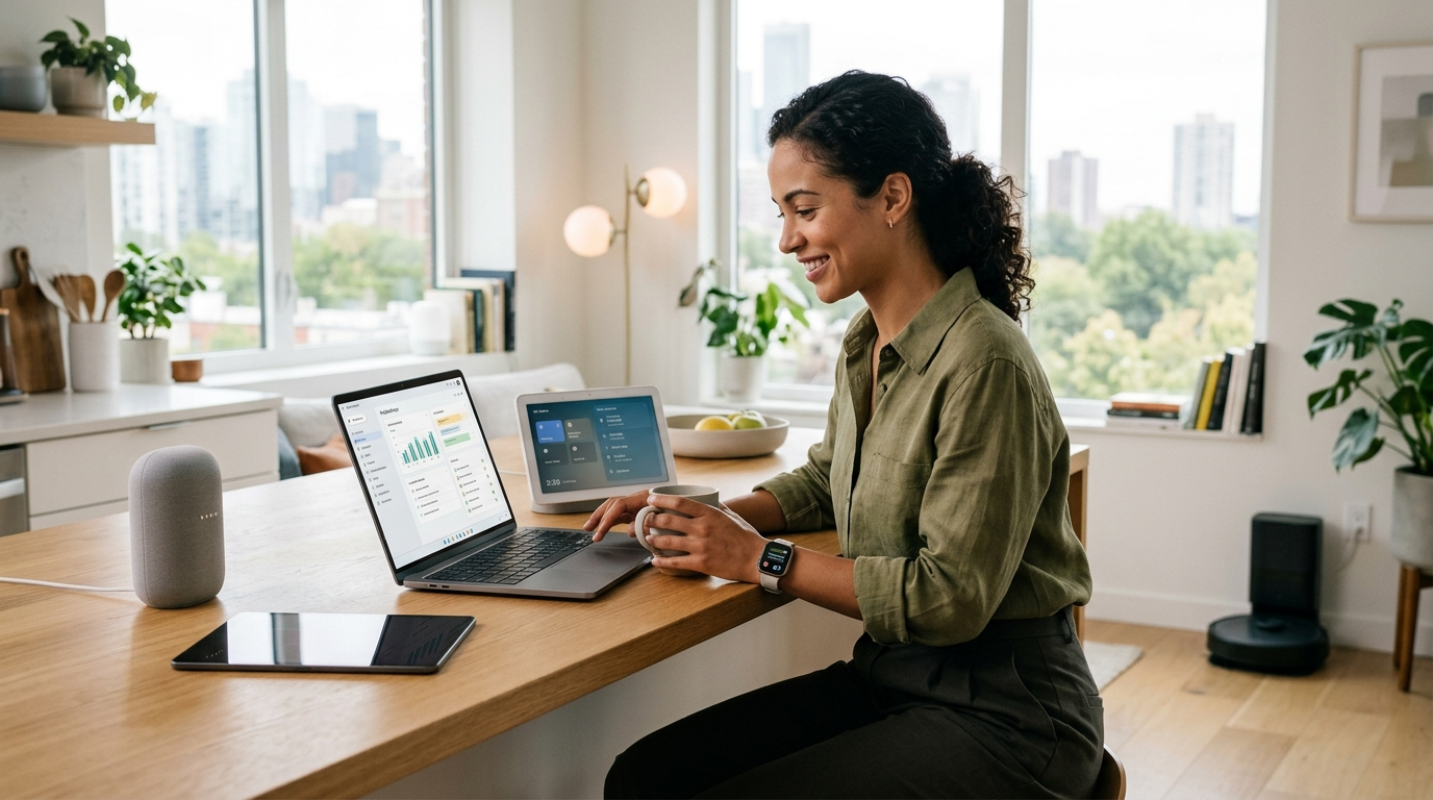
 It's 2026, and that's finally changing. We've moved past the era of gadget obsession and into something much more useful. Technology is becoming a quiet, background partner that works to reclaim your personal time. It's the digital equivalent of a home manager who knows exactly how you like things done before you even ask. So what does this shift toward frictionless living actually look like for you? It means the tools you use are stopping being passive boxes and start acting as active agents. They're moving from just tracking what you do to actually doing it for you.
AI-Powered Personal Assistants
Remember when you had to practically yell at your voice assistant just to set a timer? Those days are gone. We've transitioned from static voice commands to what experts call Agentic AI. These are autonomous systems that don't just answer questions. They execute complex workflows.
Think of it like this. Instead of you spending twenty minutes looking for a flight, checking your calendar, and confirming your seat preference, you just tell your AI agent to handle it. Platforms like Expedia and Booking.com are already using AI that reasons through your loyalty points and budget to book entire itineraries on its own.
The productivity gains are real. People using generative AI daily are saving an average of 2.2 hours every week. That's over a hundred hours a year you get back for hobbies, family, or just sleep. In fact, 92% of regular users say they see tangible benefits in their daily efficiency.
These agents are also taking the sting out of decision fatigue. Have you ever spent an hour reading reviews for a toaster? It's exhausting. Now, AI can summarize thousands of reviews and narrow down choices based on your specific needs. About 24% of people say this is their favorite way to use the tech because it simply removes the mental load of choosing.
Smart Home Automation
The smart home has finally grown up. We've moved past the point where you need five different apps just to turn on your kitchen lights. Thanks to the Matter and Thread protocols, devices from Apple, Google, and Amazon finally talk to each other without a fight. This interoperability is a huge reason the smart home market is hitting $174 billion this year.
But the real magic isn't just that the devices connect. It's that they've become predictive. Your home is starting to manage itself. Smart thermostats and lighting systems can now reduce your energy consumption by 20% to 30%. For the average household, that's $400 to $600 back in your pocket every year without you ever touching a dial.
The kitchen is seeing some of the biggest changes. AI-powered refrigerators now track when your milk is about to expire and suggest recipes based on what's actually in your fridge. It reduces food waste and, more importantly, stops that "what's for dinner?" panic at 6:00 PM.
We're also seeing a rise in multipurpose robots. It's not just about the vacuum anymore. We have robots for lawn care, window cleaning, and even laundry folding. These tools are designed to remove the micro-decisions and repetitive tasks that clutter your brain.
Wearables and Health Tracking
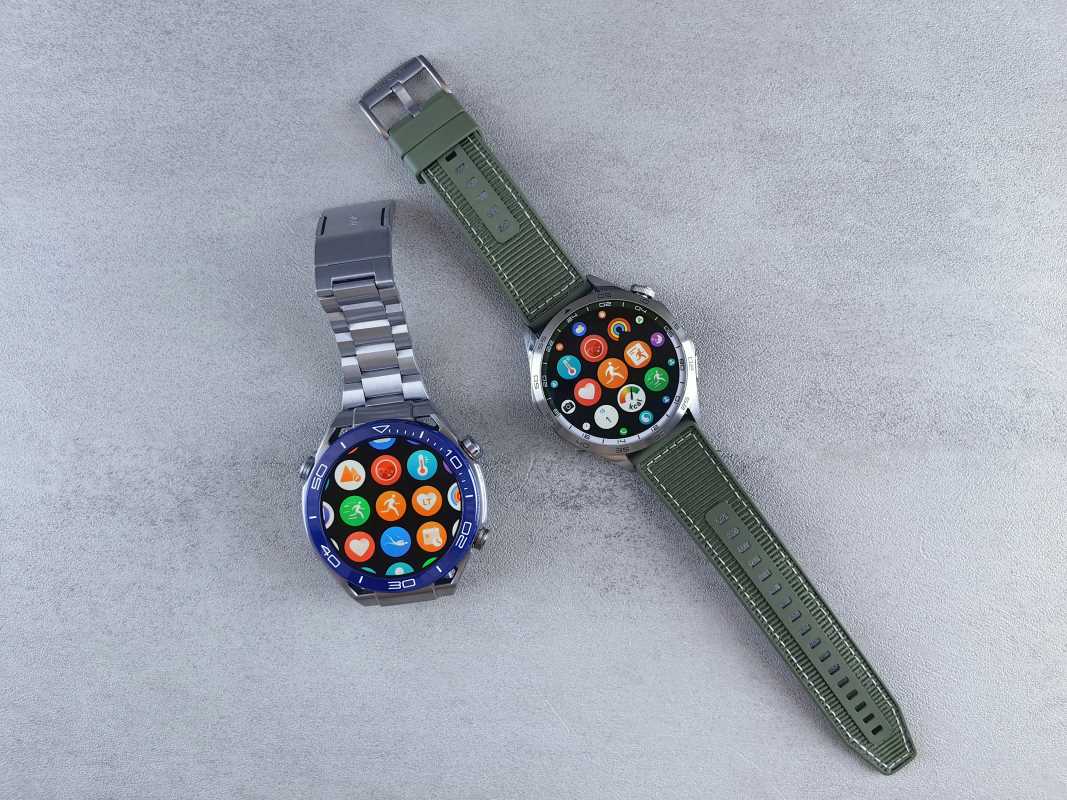
Your smartwatch isn't just a glorified step counter anymore. If you're still only looking at your "rings" or "steps," you're missing the best part. The trend has shifted toward complete recovery and stress management.
The latest wearables focus on how your body is recovering from the day. They use metrics like heart rate variability (HRV) and sleep stages to tell you when to push yourself and when to take a break. It's like having a coach who tells you that your body is too stressed for a high-intensity workout, so you should do yoga instead.
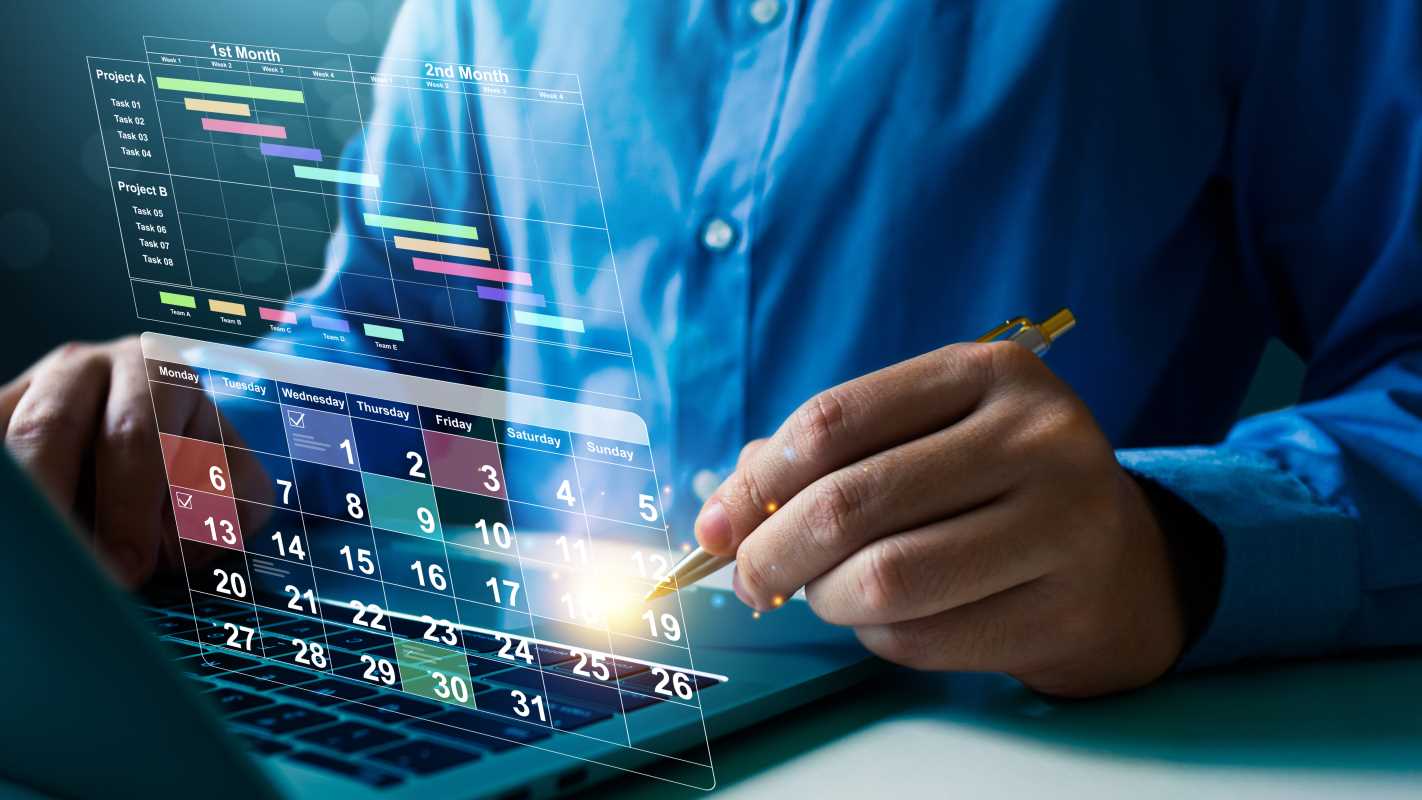
This data is now integrating directly with productivity apps. Imagine your calendar automatically blocking out a focus block because your wearable detected you're in your peak energy window for the day. Or, conversely, it might suggest a shorter meeting because your sleep quality was poor.
Consumer spending on these devices has jumped 18% recently. People aren't just buying them for the gym. They're buying them to manage their daily energy levels. When you know exactly how your habits affect your focus, you make better decisions about how you spend your time.
Modular and Cross-Platform Hardware
The way we physically interact with tech is also getting a much-needed simplify button. As hybrid work stays the norm, our hardware has to be as flexible as our schedules. We're seeing a massive trend in modular and cross-platform devices that share a unified operating system.
Foldable phones are a great example of this. The market for these is growing by 62% because they offer a "one device, many tasks" solution. You can have a phone in your pocket that unfolds into a tablet-sized screen for deep work. New battery chemistries, specifically silicon carbon, have made these devices thinner while giving them 25% more capacity than the old lithium-ion versions.
Then there's the mobile command center. Portable dual monitors allow you to set up a triple-screen workstation at a local coffee shop in seconds. This kind of hardware flexibility means you don't have to be chained to a desk to be productive.
The goal here is to reduce digital clutter. Instead of owning five different devices that don't talk to each other, you have a few high-quality tools that transition seamlessly between your home, your office, and your travel. It's about simplifying the digital environment so you can focus on the work that matters.
Choosing Tech That Serves You
With all these trends, it's easy to get overwhelmed by "feature creep." Just because a fridge can tweet doesn't mean it should. The key to improving your productivity is intentional adoption. You want to look for tools that remove friction, not add another layer of complexity.
Before you buy the next big thing, ask yourself if it's going to save you time or just give you another notification to clear. The most successful technologies in 2026 are the ones that stay in the background. They're the ones that quietly handle your scheduling, optimize your home's temperature, and manage your grocery list so you don't have to.
Future-proofing your life isn't about having the most gadgets. It's about building a workflow where the tech serves you, rather than the other way around. When you choose tools that focus on utility and ROI, you reclaim the one thing tech was always supposed to give us: more time to be human.